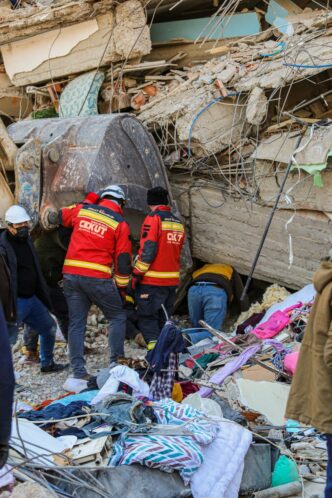
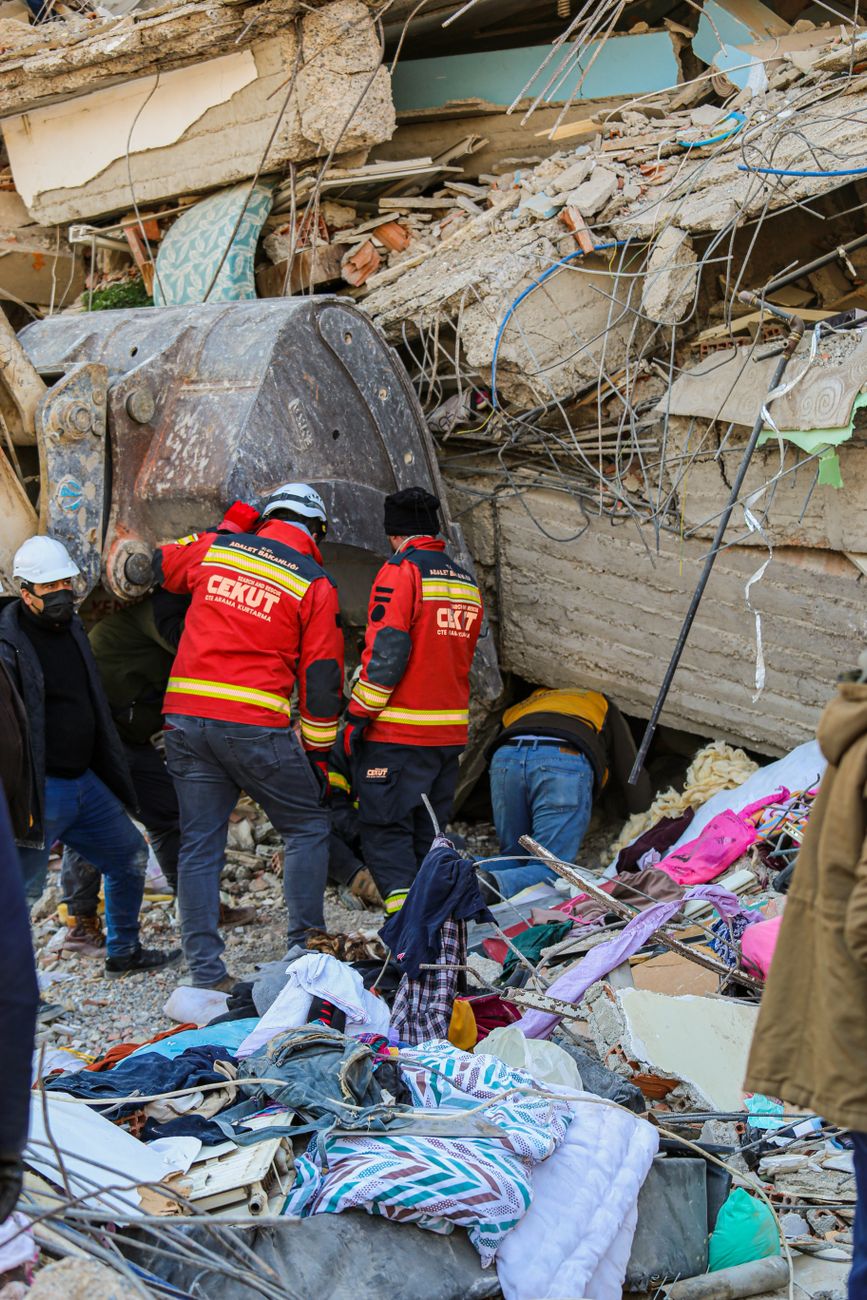
Two powerful earthquakes struck Venezuela on Wednesday, June 25, 2026, killing at least 188 people and injuring more than 1,520 in what seismologists are calling a doublet sequence. The 7.1 and 7.5 magnitude quakes hit near San Felipe just 39 seconds apart, with seismic waves from the first still active when the second began, according to the U.S. Geological Survey.
More than 150 people remain missing as the death toll from the Venezuela doublet earthquakes continues to rise. The destructive pair occurred along the boundary between the South American and Caribbean tectonic plates, an area that scientists say had been accumulating stress for more than two centuries.
What Are Doublet Earthquakes
Doublet earthquakes occur when two major seismic events happen in rapid succession in the same region. According to Harold Tobin, director of the Pacific Northwest Seismic Network and professor at the University of Washington, what happened in Venezuela was particularly dangerous because of the timing.
“The seismic waves from the first one weren’t done yet when the second one happened,” Tobin said. This creates a compounding effect that makes the destruction significantly worse than a single earthquake of similar magnitude.
The phenomenon is not exceedingly rare. According to a 1999 study, doublets occurred in about 22 percent of earthquakes with magnitudes of 7.5 or above. However, the debate among seismologists about how to classify these events continues.
“It’s actually a subject of lots of discussion right now among seismologists about whether to call it two earthquakes or one earthquake with multiple phases or pulses of energy,” Tobin explained.
Why Doublet Earthquakes Are More Destructive
The back-to-back nature of doublet earthquakes creates a particularly deadly situation for buildings and infrastructure. When the first earthquake strikes, it weakens structures that may appear to survive the initial shaking. The second earthquake then overwhelms these compromised buildings.
“The first earthquake will probably have weakened some buildings or structures. Then collapses would happen during the second earthquake, even if they made it through the first one,” Tobin said.
Both earthquakes in Venezuela were strike-slip type, meaning the fault moved horizontally rather than vertically. This type of earthquake occurs when tectonic plates slide past each other, as is happening along the Caribbean and South American plate boundary where the Caribbean plate moves eastward relative to the South American plate at about 20 millimeters per year.
Historical Context of the Venezuela Fault Zone
The area where the earthquakes struck has a complex geological history. According to Tobin, there has not been a magnitude-7-plus earthquake anywhere along that fault possibly since about 1812, meaning the fault zone had likely been accumulating stress for more than two centuries before releasing it on Wednesday.
“The area is actually mapped as not a single fault line, but a kind of a complex of faults and fractures in the Earth’s crust, and there’s not just one single one, and that may be part of what contributes to the complexity of this pair of earthquakes,” Tobin said.
Venezuela has experienced five earthquakes with magnitudes of 7.0 or higher since 1900, but none of those five occurred along the same fault zone as Wednesday’s event. The country also experienced doublet earthquakes in 2025 with magnitudes of 6.2 and 6.3 to the southwest of the recent event.
What We Know So Far
The U.S. Geological Survey has confirmed the following details about the Venezuela doublet earthquakes:
The first earthquake registered at 7.1 magnitude, followed 39 seconds later by a 7.5 magnitude earthquake. Both occurred along the boundary between the South American and Caribbean tectonic plates near San Felipe, Venezuela. The preliminary death toll stands at least 188 people, with at least 1,520 injured and more than 150 still missing. Both earthquakes were classified as strike-slip type.
Maria Beatrice Magnani, professor of seismology at Southern Methodist University, said the event provides valuable data for understanding the region’s complex fault system.
“It tells us something about how the faults are moving. It’s a new tassel that can explain better how this region works. Every earthquake and the aftershocks that happen will help us unravel even better the complexity of this region,” Magnani said.
Previous Doublet Earthquakes Around the World
The Venezuela earthquakes are not the first doublet events to cause significant destruction. In 2023, doublet earthquakes in Turkey and Syria killed more than 50,000 people in one of the deadliest seismic events in recent history.
Other notable doublet earthquakes include events near the British Columbia and Alaska border in May 2017 and in Klamath Falls, Oregon in September 1993. Each of these events demonstrated how paired earthquakes can amplify destruction beyond what a single earthquake might cause.
What Happens Next
Scientists are still working to understand the full extent of what occurred along the Venezuelan fault system. Magnani noted that researchers will need time to piece together the complete picture.
“It’s going to take some time to find a full history of the fault. It’s a very complex plate boundary,” Magnani said.
Aftershocks typically follow major earthquakes, and the ongoing seismic activity will provide researchers with additional data to better understand the fault system. The casualty figures remain preliminary as search and rescue operations continue.
Important Details About the Seismic Event
The Caribbean plate moves eastward relative to the South American plate at approximately 20 millimeters per year. This slow but constant movement builds stress along fault lines over decades and centuries until the pressure is released in earthquakes.
The fact that the fault zone had not experienced a magnitude-7-plus earthquake possibly since 1812 meant that more than two centuries of accumulated stress was released in Wednesday’s doublet sequence. This helps explain why the earthquakes were so powerful and why they may have triggered each other in such rapid succession.
Frequently Asked Questions
What is a doublet earthquake?
A doublet earthquake occurs when two major seismic events happen in rapid succession in the same region. In Venezuela’s case, the two earthquakes struck just 39 seconds apart, with the seismic waves from the first still active when the second began.
How common are doublet earthquakes?
According to a 1999 study, doublets occurred in about 22 percent of earthquakes with magnitudes of 7.5 or above. While not extremely rare, they remain a subject of ongoing scientific discussion about classification and causes.
Why are doublet earthquakes more dangerous than single earthquakes?
The first earthquake weakens buildings and infrastructure, making them vulnerable to collapse during the second earthquake. Structures that survive the initial shaking may fail when hit again seconds later.
Scientists continue to analyze data from the Venezuela doublet earthquakes as authorities update casualty figures and assess the full scope of the destruction. The event adds to the body of knowledge about complex fault systems and the potentially devastating effects of paired seismic events.