
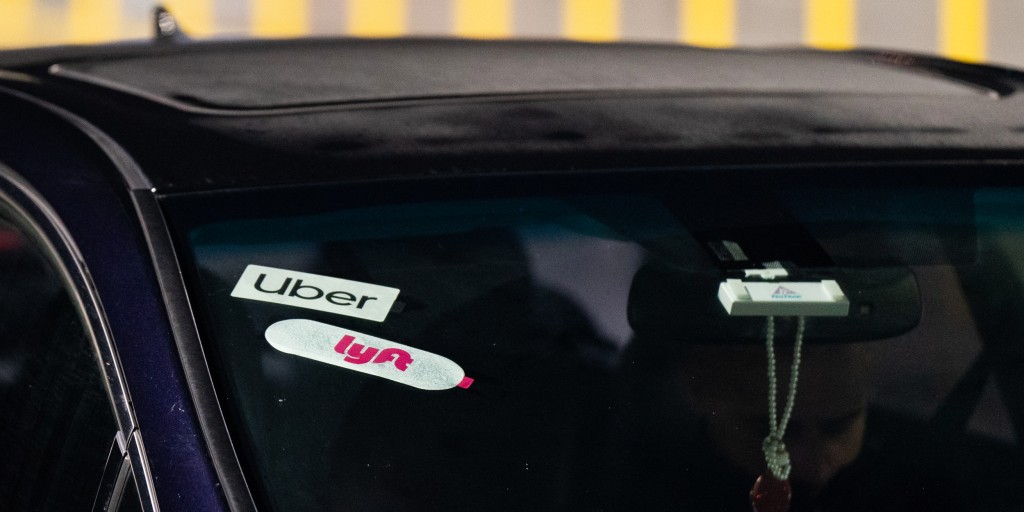
A new Consumer Reports investigation released Tuesday found that Uber and Lyft passengers frequently see different prices for the exact same ride requested at the same time along identical routes. The findings, based on testing across 18 states, revealed a median 50% gap between the lowest and highest quoted fares, raising questions about how these ride-hailing companies calculate their prices.
The investigation recruited 174 volunteers who tested more than 40 routes throughout the United States. While both Uber and Lyft deny using surveillance pricing practices, the significant price variations have caught the attention of federal lawmakers who announced their own investigation into the matter earlier this year.
Main Developments
The Consumer Reports study produced striking examples of price inconsistency across multiple markets. In Kansas City, Missouri, 55 volunteers checking a single route generated 29 different price quotes. The disparity was even more pronounced in Austin, Texas, where fares for one route ranged from $25 to $65, representing a 160% difference between the lowest and highest quotes.
Derek Kravitz, lead author of the Consumer Reports report, explained the scope of data that ride-hailing apps could potentially access. “We found that they have the capabilities to look at a lot of different things, namely how you interact with the app, how accurately or fast you type an address … whether or not you’re going to a daycare to pick up a child,” Kravitz said.
However, Consumer Reports could not determine if specific user data factors were actually used to calculate individual fares. The investigation raised questions but stopped short of proving that personal information directly influences pricing decisions.
What We Know So Far
Both ride-hailing giants have firmly denied engaging in surveillance pricing practices. An Uber spokesperson stated that the company “does not personalize prices, period,” attributing any price differences to “changing real-time marketplace conditions.”
Sid Patil, Lyft’s executive vice president of rideshare, offered a similar explanation. “We do not engage in surveillance pricing. What riders see is driven by trip characteristics, real-time supply and demand, and any promotions clearly disclosed in the app,” Patil said.
Both companies acknowledge that user data can be used to determine discounts, which could contribute to some price variations between riders. The distinction between using data for discounts versus base pricing remains a central point in the ongoing debate about fare transparency.
Research from the National Bureau of Economic Research indicates that only 1 in 6 riders check both Lyft and Uber before booking a trip. The same research found that prices between the two apps differ by an average of 14%, suggesting that consumers who compare options could potentially find better deals.
What Happens Next
The House Committee on Oversight and Government Reform announced an investigation in March 2026 into whether ride-hailing companies use surveillance pricing. Rep. James Comer, R-Ky., who chairs the committee, expressed concern that companies may “weaponize personal data and pad [companies’] profit margins at the expense of providing transparency to consumers.”
The congressional investigation could bring additional scrutiny to the pricing algorithms used by both Uber and Lyft. However, details about the timeline or scope of the federal investigation have not been disclosed.
A 2022 academic study published in the University of Chicago’s Journal of Law and Economics previously examined ride-hailing pricing practices, though the Consumer Reports investigation represents the most recent large-scale examination of fare disparities.
Important Details
For consumers concerned about fare variations, the data suggests a practical approach: comparing prices on both apps before booking. With only 1 in 6 riders currently checking both platforms and an average 14% price difference between apps, taking a few extra moments to compare could result in savings.
The 174 volunteers in the Consumer Reports investigation tested routes designed to examine pricing consistency under similar conditions. The testing spanned 18 states and covered more than 40 different routes, providing a broad geographic sample of pricing practices.
Keith Chen, a professor of behavioral economics at UCLA and former head of economic research at Uber, was cited in connection with the investigation. His academic background provides insight into how economists view ride-hailing pricing mechanisms.
The median 50% gap between lowest and highest fares represents the typical spread that investigators found across their sample. Individual routes, like the Austin example with its 160% variation, showed even more extreme disparities in some cases.
Consumer Guidance
Based on the investigation findings, riders may benefit from adopting comparison shopping habits when booking ride-hailing services. The research indicating that prices differ by an average of 14% between apps suggests that checking both Uber and Lyft could yield meaningful savings over time.
The investigation did not determine what specific factors drive price differences between users requesting the same ride at the same time. Real-time conditions such as driver availability, traffic patterns, and demand surges could all potentially influence quoted fares, according to the companies’ explanations.
Riders should be aware that promotional discounts, which both companies acknowledge using, may contribute to some price variations. These promotions are disclosed within the apps, according to Lyft’s statement.
Frequently Asked Questions
Why do Uber and Lyft show different prices for the same ride?
Both companies attribute price differences to real-time marketplace conditions including driver supply and demand. Consumer Reports could not determine if specific user data factors were used to calculate fares.
How much can Uber and Lyft prices vary for identical trips?
The Consumer Reports investigation found a median 50% gap between lowest and highest quoted fares. In one Austin, Texas example, prices ranged from $25 to $65 for the same route, a 160% difference.
Should I compare Uber and Lyft prices before booking?
Research indicates prices between the two apps differ by an average of 14%, and only 1 in 6 riders currently check both platforms. Comparing both apps before booking could help riders find better fares.
Do Uber and Lyft use surveillance pricing?
Both companies deny using surveillance pricing. Uber stated it “does not personalize prices, period,” while Lyft said pricing is driven by trip characteristics, supply and demand, and disclosed promotions.
Is there a government investigation into ride-hailing pricing?
The House Committee on Oversight and Government Reform announced an investigation in March 2026 into whether ride-hailing companies use surveillance pricing practices.
The Consumer Reports investigation has added new data to an ongoing conversation about transparency in ride-hailing pricing. While the study documented significant price variations, the underlying causes remain subject to debate between consumer advocates and the companies themselves. Federal lawmakers continue to examine the issue as part of their oversight responsibilities.