Ukraine has stepped up its drone strikes on Russian-annexed Crimea, targeting critical infrastructure and causing a fuel crisis that led to the complete halt of civilian gas sales on Sunday, June 22, 2026. The campaign represents a strategic effort by Kyiv to isolate the peninsula and increase pressure on Russian President Vladimir Putin.
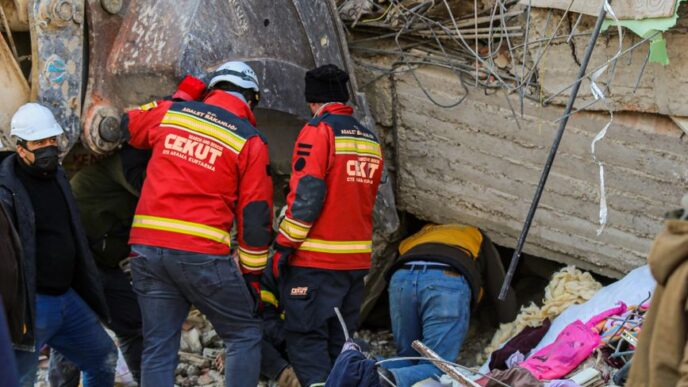
The intensified strikes have targeted the Novorossiya highway, the main route linking mainland Russia with Crimea, for weeks. Four people were killed and 28 injured in Ukrainian drone strikes on the Kerch area, where oil depots and military logistics facilities were targeted.
Main developments
The fuel crisis in Crimea began in mid-May 2026 when Ukraine intensified strikes on the Novorossiya highway. The situation escalated to the point where civilian fuel sales were completely halted on Sunday, with gas now allocated only for essential services in the region.
Robert Brovdi, commander of Ukraine’s Unmanned Systems Forces, stated that Ukraine aims for total resource and logistical exhaustion of the peninsula. In a direct message to Putin, Brovdi declared: “It will never be the same again.”
Brovdi also described the strategic calculation behind the campaign, stating: “Crimea will topple Moscow. A suitcase without a handle is a heavy burden.” This reference suggests Kyiv views Crimea as an increasingly costly burden for Russia to maintain.
The drone campaign has also resulted in power outages in the region. Authorities have attributed these disruptions to technological issues. Mikhail Razvozhaev, Russia-appointed governor of Sevastopol, announced the city will turn off streetlights and cancel outdoor events in response to the situation.
What we know so far
The confirmed facts about the situation in Crimea include:
Ukraine has been conducting drone strikes on the Novorossiya highway for weeks, targeting the critical supply route between mainland Russia and Crimea. The strikes have caused a fuel crisis that began in mid-May 2026 and culminated in the halt of civilian gas sales on June 22, 2026.
Oil depots and military logistics facilities in Kerch have been targeted, resulting in four deaths and 28 injuries. Power outages have occurred across the region, though authorities have not directly confirmed these are linked to the drone strikes.
Crimea’s tourism industry is expected to be impacted by the ongoing situation. Summer camps in the region will stop admitting new children, signaling concerns about safety and supply conditions.
Russia-installed head of Crimea, Sergey Aksyonov, has been overseeing the response to the crisis, while Kremlin spokesman Dmitry Peskov stated that “intensive work was underway to minimize the negative consequences of the Kyiv regime’s barbaric actions.”
Strategic implications
Michael Clarke, visiting professor of war studies at King’s College London, provided analysis on the significance of the campaign. He noted that while the situation remains fluid, Crimea “remains an important strategic pressure point for Kyiv.”
Clarke also offered perspective on potential future developments: “And if there is no ceasefire, the pressure on Putin would just keep building if this great symbol of Russian imperial power suffers increasing distress throughout the coming year.”
Putin illegally annexed Crimea in 2014, and Russia launched its full-scale invasion of Ukraine in February 2022. The battlefield on mainland Ukraine remains largely static, making the drone campaign against Crimea a notable front in the ongoing conflict.
Russian military bloggers have criticized the Kremlin’s response to the situation. One blogger wrote: “The isolation of Crimea meets no resistance. Russia’s top officials are pretending that nothing is happening.”
International context
U.S.-led peace efforts stalled during the U.S. war with Iran. However, President Donald Trump signaled at the G7 summit last week that he would shift focus back to the Ukraine war. Ukrainian President Volodymyr Zelenskyy continues to lead his country’s defense efforts.
Brovdi referenced the population in Crimea during his statements, mentioning “one million occupiers” in the context of Ukraine’s campaign against the peninsula.
What happens next
The situation in Crimea remains developing. With civilian fuel sales halted and power outages affecting daily life, residents face ongoing challenges. The impact on tourism and summer activities suggests authorities are preparing for a prolonged period of disruption.
The cancellation of outdoor events in Sevastopol and restrictions on summer camp admissions indicate that Russian-appointed officials are taking measures to manage the crisis while limiting civilian exposure to potential dangers.
Whether the drone campaign will achieve Ukraine’s stated goal of total resource and logistical exhaustion remains to be seen. The coming weeks may reveal how sustainable the current level of pressure is and whether Russia can adapt its supply routes to maintain Crimea.
Important details
For those tracking the situation, the key confirmed developments are:
Fuel restrictions: Civilian gas sales have been completely halted as of June 22, 2026. Gas is now allocated only for essential services.
Casualties: Four people killed and 28 injured in drone strikes on the Kerch area.
Infrastructure targets: Oil depots and military logistics facilities in Kerch have been struck, along with the Novorossiya highway.
Power situation: Outages have occurred, attributed by authorities to technological disruptions. Sevastopol is turning off streetlights.
Tourism impact: Summer camps are stopping new admissions, and outdoor events in Sevastopol have been cancelled.
Frequently asked questions
Why is Ukraine targeting Crimea with drones?
Ukraine’s drone forces commander Robert Brovdi stated the goal is “total resource and logistical exhaustion” of the peninsula. The campaign targets infrastructure to isolate Crimea and increase pressure on Russia.
When did the fuel crisis in Crimea begin?
The fuel crisis began in mid-May 2026 when Ukraine intensified strikes on the Novorossiya highway, the main supply route between mainland Russia and Crimea.
How many casualties have resulted from the strikes?
According to confirmed reports, four people were killed and 28 were injured in Ukrainian drone strikes on the Kerch area of Crimea.
Is fuel still available in Crimea?
Civilian fuel sales were completely halted on Sunday, June 22, 2026. Gas is now allocated only for essential services in the region.
The drone campaign against Crimea marks a significant development in the ongoing conflict between Ukraine and Russia. As the situation continues to evolve, the impact on both military operations and civilian life in the peninsula remains under close observation by international analysts and governments.